Biggest Omnibook Ultra Flip 14 2024 Buying Mistakes (And How to Avoid Them)
The landscape of the 2-in-1 laptop market underwent a significant shift in 2024 with the introduction of the Omnibook Ultra Flip 14. As part of a broader rebranding and technological pivot, this device represents a new era of "AI PCs" designed to balance portability with high-end neural processing. However, purchasing a premium convertible laptop is rarely a straightforward transaction. The high price point and the specific nature of the 360-degree hinge mean that the stakes for the consumer are higher than they would be for a standard clamshell notebook.
For many professionals and creative students, the Omnibook Ultra Flip 14 2024 is the ultimate expression of versatility. Yet, despite its polished exterior and cutting-edge internals, many buyers fall into avoidable traps that lead to post-purchase regret. These mistakes often stem from a misunderstanding of the hardware limitations, the actual utility of integrated AI features, or the specific ergonomic tradeoffs required by a 14-inch convertible chassis. This article provides a comprehensive post-mortem of these common errors and offers a roadmap for making an informed investment in what is arguably one of the most sophisticated laptops of the year.
Understanding the Omnibook Ultra Flip 14 2024
Before diving into the pitfalls, it is essential to analyze what makes this machine unique. The Omnibook Ultra Flip 14 2024 is built on a foundation of "Lunar Lake" architecture—Intel’s Core Ultra Series 2 processors. This shift was designed specifically to address the long-standing criticisms of Windows ultraportables: battery life and thermal efficiency. By moving the system memory (RAM) directly onto the processor package, the Ultra Flip 14 achieves a level of power efficiency that previously seemed exclusive to ARM-based competitors.
The design language focuses on sharp, clean lines and a 3:2 or 16:10 aspect ratio (depending on the specific SKU) that prioritizes vertical workspace. The OLED display is the centerpiece, offering deep blacks and vibrant color accuracy that appeal to photographers and video editors. However, the "Flip" designation is what truly defines its identity. The 360-degree hinge allows the device to transition from a traditional laptop to a tent mode for presentations, or a tablet mode for sketching with an active stylus. This mechanical complexity, while beneficial, introduces variables that many buyers fail to account for when comparing it to traditional laptops.
The AI Factor: Marketing vs. Reality
A significant portion of the marketing for the 2024 model revolves around its NPU (Neural Processing Unit), capable of over 40 TOPS (Tera Operations Per Second). While this qualifies the laptop for Microsoft’s Copilot+ PC features, it is a common mistake to assume this will fundamentally change every aspect of daily computing immediately. In its current state, the AI hardware primarily enhances background tasks: blurring backgrounds in video calls with higher power efficiency, enabling local live captions, or accelerating specific filters in creative suites like Adobe Lightroom or DaVinci Resolve. Buyers who expect the AI to "write their emails for them" without significant user input or cloud-based services may find the local hardware underutilized in the short term.
Mistake #1: Overestimating the Practicality of "Tablet Mode"
The most frequent error buyers make with 14-inch convertibles is assuming they will use the device as a primary tablet. While the Omnibook Ultra Flip 14 is impressively thin for its class, it still weighs significantly more than a dedicated tablet like an iPad Pro or a Surface Pro. Holding a three-pound device in one hand for extended periods to read an e-book or scroll through news is ergonomically challenging.
Buyers often realize too late that the "Flip" functionality is best utilized for "stationary tablet" tasks—such as resting the device on a desk to sign documents or using it on a lap for digital illustration. If your primary goal is a lightweight slate for consumption, buying the Ultra Flip 14 solely for its tablet mode is a strategic error. You are paying a premium for the hinge and the touchscreen digitization layer, which adds cost and complexity. Avoid this mistake by evaluating your actual workflow: if you don’t plan to use a stylus or need tent mode for cramped spaces like airplane trays, a standard clamshell Omnibook may offer better value.
Discover deals on Electronics — updated daily.
See Deals →Mistake #2: Misunderstanding the "On-Package" Memory Limitations
With the transition to Intel Core Ultra Series 2, the Omnibook Ultra Flip 14 utilizes MoP (Memory on Package). This means the RAM is soldered directly next to the CPU to reduce latency and save power. There are no RAM slots inside this laptop.
A critical mistake is opting for a 16GB configuration thinking you can "upgrade it next year if it feels slow." In the 2024 model, the configuration you buy is the configuration you will own for the life of the machine. Given that AI workloads and modern browser tabs are increasingly memory-intensive, professional users should almost always err on the side of 32GB. Saving a few hundred dollars today can significantly shorten the usable lifespan of the laptop, particularly as Windows 11 updates become more integrated with memory-hungry LLMs (Large Language Models).
Mistake #3: Ignoring the Port Selection and Dongle Dependency
In the pursuit of an ultra-thin "Flip" profile, the 2024 Omnibook has moved toward an all-USB-C future. While the ports are high-bandwidth Thunderbolt 4 or USB4, the absence of a built-in HDMI port or a full-sized USB-A port is a shock to many buyers once they return to their home offices. A frequent mistake is not auditing your current peripherals. If you regularly use older thumb drives, wired mice, or legacy projectors, you must factor the cost and clutter of dongles into your purchase. Forgetting this leads to the frustration of being unable to connect a simple peripheral during a critical meeting.
Pros and Cons Analysis
- Pro: Exceptional Battery Longevity – The Lunar Lake architecture allows the Ultra Flip 14 to riva…
Feature Omnibook Ultra Flip 14 (2024) Standard 14" Clamshell Ultraportable 13" Detachable Tablet/PC Processor Intel Core Ultra (Series 2) "Lunar Lake" Intel Core Ultra (Series 1) or AMD Ryzen Qualcomm Snapdragon X Elite or Intel Core Ultra Memory 16GB / 32GB (On-Package) 8GB to 64GB (Soldered or Slotted) 16GB (Soldered) Hinge 360-degree Convertible 130 to 180-degree Clamshell Detachable Keyboard / Kickstand Battery Life Very High (15+ Hours Video) Moderate (8-10 Hours) High (12-14 Hours) Primary Use Case Versatile Pro / Creative General Office / Enterprise Hyper-mobile / Note-taking Mistake #4: Disregarding the 3:2 and 16:10 Aspect Ratio Differences
Modern Omnibooks have moved away from the traditional 16:9 widescreen format. This is generally a positive change for productivity, as it provides more vertical space for reading documents and coding. However, a common mistake is not considering how this affects media consumption. If your primary use for this "Flip" laptop is watching movies in tent mode, you will experience significant black bars at the top and bottom of the screen. Conversely, if you are a spreadsheet user, the extra vertical real estate is a godsend. Buyers often fail to visualize their most-used applications in these taller formats, leading to initial confusion about window snapping and UI scaling.
Buying Guide: How to Choose the Right Configuration
To avoid the mistakes mentioned above, follow this structured approach to selecting your Omnibook Ultra Flip 14:
1. Identify Your "Anchor" Workflow
Are you a writer, a designer, or a manager? If your work is 90% typing, the keyboard quality and aspect ratio should be your priority. If you spend hours in Figma or Adobe Suite, the 32GB RAM upgrade is mandatory, not optional. The NPU will assist in these creative apps, but it cannot overcome a lack of system memory.
Find top-rated Electronics products at great prices.
View Offers →2. The Stylus Question
Many retailers bundle the active pen, but some SKUs do not include it. A common mistake is buying the laptop and then realizing you have to spend an additional $80-$100 for the official stylus. Check the box contents carefully. If you have no intention of using a pen, you might be overpaying for a feature set that is better served by a non-touch, non-flip model.
3. Connectivity Audit
Look at your desk. If you see a sea of USB-A cables, buy a high-quality Thunderbolt 4 dock at the same time as the laptop. Trying to manage multiple individual USB-C to USB-A adapters is a recipe for losing hardware and damaging the laptop’s ports through constant strain. Plan for the "ecosystem tax" of moving to a modern port-limited device.
4. Screen Choice: OLED vs. Potential Alternatives
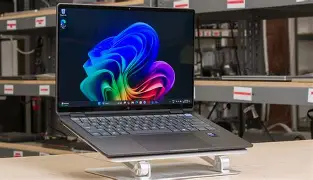
While the OLED is the flagship option, some regions may offer IPS variations. While OLED is superior for color, IPS can sometimes reach higher sustained brightness levels for outdoor use without the risk of "burn-in" over many years of static taskbar display. However, for most 2024 buyers, the OLED is the correct choice, provided they are aware of the gloss and reflection issues.
Conclusion
The Omnibook Ultra Flip 14 2024 is a testament to how far the 2-in-1 category has come. By leveraging the efficiency of Intel’s Lunar Lake chips and the tactile precision of a haptic touchpad, it solves many of the "pain points" that plagued convertibles of the last decade. It is a machine that feels like the future, yet it requires a buyer who is firmly grounded in the present reality of their own needs.
Avoiding the biggest buying mistakes comes down to honesty. Be honest about how often you will actually use it as a tablet. Be honest about your memory requirements for the next three to five years. Be honest about your willingness to carry dongles. By sidestepping the allure of "over-specifying" unnecessary features or "under-specifying" critical components like RAM, you can ensure that the Omnibook Ultra Flip 14 remains a productivity powerhouse rather than an expensive ergonomic compromise. This device is a specialized tool; when matched with the right user and the right configuration, it is arguably the most versatile companion a modern professional can carry.